
Skip to content
Jason Martin, MD, FACS — board-certified plastic surgeon in Denver, Colorado

Facial Surgery

RhinoplastyDenver, CO

Reshape your nose for a balanced, natural result that still looks like you.

Rhinoplasty

If your nose has always felt out of balance with the rest of your face, or a bump, a wide tip, or a crooked bridge bothers you when you see yourself in photos, rhinoplasty is the surgery that addresses it. Rhinoplasty, often called a nose job, reshapes the bone and cartilage of the nose to refine its size and shape, and it can also improve breathing when the structure inside the nose is part of the problem. The goal of a good rhinoplasty is a nose that fits your face naturally, not one that looks done.

At his Denver practice, Dr. Jason Martin approaches rhinoplasty as one of the most precise operations in plastic surgery, where a millimeter changes the result. As a board-certified plastic surgeon, he plans each nose around your features and your goals so the change looks like it was always yours.

At a Glance

Rhinoplasty at a Glance

These are typical starting points. Dr. Martin confirms the specifics for your case at your consultation.

Procedure time
About 2 to 4 hours

Depending on the approach and complexity.

Anesthesia
General anesthesia
Downtime
Splint off in 1 to 2 weeks

Most people return to work and social plans around that point, with strenuous activity held for 3 to 4 weeks.

Results
Final shape at about a year

A refined shape appears once the splint is off; subtle swelling continues to resolve over the following months.

Scars
None to a tiny hidden scar

None visible with a closed approach; a tiny, well-hidden scar under the tip with an open approach, which fades over time.

Cost in Denver
$8,000 – $15,000

Depends on the approach and complexity — a straightforward refinement costs less than a revision or complex case.

Jason Martin, MD — board-certified plastic surgeon in Denver, Colorado

What it does

What Rhinoplasty Can Do

The nose sits at the center of your face, so even small changes to its shape affect how balanced your features look. Rhinoplasty can refine the nose in several ways at once: smoothing a bump on the bridge for a straighter profile, refining a wide, bulbous, or drooping tip so it sits in better proportion, narrowing or straightening a nose that is wide or crooked, adjusting the size of the nose to better match your other features, and improving breathing when a deviated septum or other internal structure is restricting airflow.

That last point matters. Many people come in for cosmetic reasons and turn out to have a functional issue too, like a deviated septum (when the wall between the nostrils is off-center). When that is the case, the breathing problem and the cosmetic concern can often be addressed in the same surgery.

Your options

Your Rhinoplasty Options

There is no single way to perform a rhinoplasty. The right approach depends on what your nose needs and how much reshaping is involved. Here is what each option means.

Open Rhinoplasty

Open rhinoplasty is best for more complex reshaping, where the surgeon needs full access and visibility.

A small incision is made on the underside of the nose, between the nostrils, which lets Dr. Martin lift the skin and see the cartilage and bone directly. This gives the most precise control for detailed tip work, straightening a crooked nose, or revision cases. The small scar is well hidden and fades over time.

Closed Rhinoplasty

Closed rhinoplasty is best for more straightforward reshaping, where the changes are less extensive.

All of the incisions are made inside the nostrils, so there is no external scar at all. It suits cases where the work is contained enough to be done without lifting the skin. Dr. Martin will tell you honestly which approach your nose calls for.

Ethnic Rhinoplasty

Ethnic rhinoplasty refines the nose while preserving the features that reflect your heritage.

The goal here is balance, not a single standardized nose. The techniques are tailored to different skin thickness and cartilage structure so the result harmonizes with your face and keeps your identity intact.

Revision Rhinoplasty

Revision rhinoplasty corrects or improves the result of a previous nose surgery.

A revision is more complex than a first-time rhinoplasty because of scar tissue and altered anatomy, which is why experience matters most here.

Candidacy

Are You a Good Candidate?

The best candidates for rhinoplasty are healthy adults who are bothered by the shape, size, or function of their nose and want a natural improvement. Because the nose finishes growing in the mid-to-late teens, candidates are generally at least in their late teens, and there is no upper age limit for a healthy adult.

You are likely a good candidate if you:

  • Are bothered by a specific feature of your nose, like a bump, a wide or drooping tip, or a crooked bridge
  • Have difficulty breathing through your nose that may be structural
  • Are in good general health, without conditions that make surgery unsafe
  • Have a clear, realistic sense of what you want to change

A good rhinoplasty is honest about its limits. It refines your nose so it fits your face; it does not give you someone else's nose, and the most natural results come from working with your features rather than against them. Dr. Martin spends real time in the consultation making sure your goals and what surgery can deliver line up before you decide.

Jason Martin, MD, FACS, board-certified plastic surgeon

Experience & judgment

Dr. Martin's Approach

Dr. Martin treats rhinoplasty as a surgery of small margins, where planning and precision separate a natural result from an obvious one. He evaluates the nose both for how it looks and for how it works, so a cosmetic change does not come at the expense of your breathing.

What he brings to that work

  • Jason Martin, MD, FACS, board-certified by the American Board of Plastic Surgery and a Fellow of the American College of Surgeons
  • Fellowship-trained in aesthetic plastic surgery
  • Adjunct professor with the Department of Plastic Surgery at the University of Colorado, where he helps train the next generation of surgeons
  • Named a Top Doctor by 5280 magazine in 2024
American Board of Plastic Surgery American Society of Plastic Surgeons The Aesthetic Society
More About Dr. Martin

The procedure, step by step

What to Expect From the Procedure

Rhinoplasty is done under general anesthesia as an outpatient surgery. The steps follow a consistent sequence:

  1. 01

    The plan is confirmed

    and the nose is marked according to the changes agreed on at your consultation.

  2. 02

    Incisions are made,

    either inside the nostrils (closed) or with a small added incision under the tip (open), depending on your approach.

  3. 03

    The bone and cartilage are reshaped,

    which may involve removing a bump, refining the tip, straightening the structure, or adding cartilage grafts for support and shape.

  4. 04

    The septum is addressed

    in the same surgery when breathing is part of the picture.

  5. 05

    The incisions are closed

    and a small splint is placed on the outside of the nose to protect and support the new shape while it heals.

Recovery

Your Recovery, Step by Step

Recovery from rhinoplasty is more about patience than discomfort. The pattern below is typical; Dr. Martin gives you specific instructions for your case.

  1. The first week

    You will wear the external splint and have some swelling and bruising around the nose and eyes, which peaks in the first few days. Discomfort is usually mild and well controlled.

  2. About 1 to 2 weeks

    The splint comes off, and most people feel ready to return to work and social activities. The nose will still be swollen, and you will see the new shape begin to emerge.

  3. Weeks to months

    Most of the visible swelling settles over the first several weeks, and you continue to look more refined month by month.

  4. About one year

    The last of the subtle swelling resolves, especially in the tip, and your final result is in place.

The hardest part of rhinoplasty recovery is the patience it takes, since the nose reveals its final shape slowly over many months.

Proof

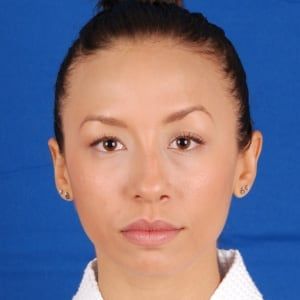
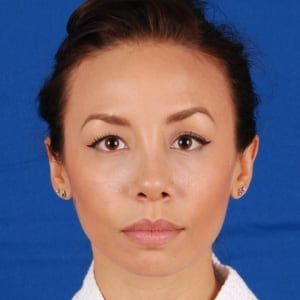
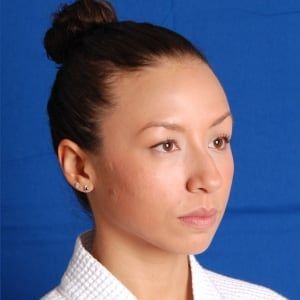
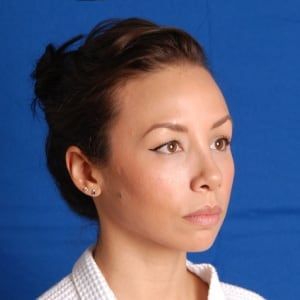
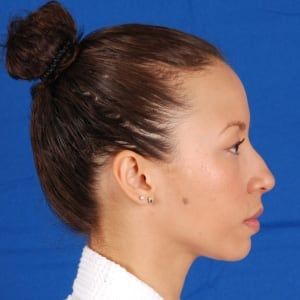
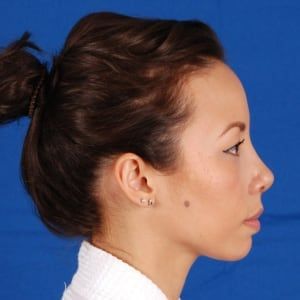
Rhinoplasty Before and After

Photographs of real patients are the clearest way to understand what a natural rhinoplasty result looks like, since the right change depends on your starting features.

Before — Rhinoplasty before and after — dorsal hump refinement
Before
After — Rhinoplasty before and after — dorsal hump refinement
After
Before — Rhinoplasty before and after — tip refinement
Before
After — Rhinoplasty before and after — tip refinement
After
Before — Rhinoplasty before and after — profile balance
Before
After — Rhinoplasty before and after — profile balance
After

Results vary from patient to patient. Photographs are of Dr. Martin's actual patients, shown with their consent.

Investment

What Does Rhinoplasty Cost in Denver?

In Denver, rhinoplasty generally runs from about $8,000 to $15,000, depending on the approach, the complexity of the reshaping, whether the septum is addressed for breathing, and anesthesia and facility fees. A straightforward refinement costs less than a complex or revision case, which takes more time and skill.

At your consultation you will receive a clear, itemized quote for your specific plan, and our team will walk you through financing options so the cost fits your budget.

Request a Consultation

Patient experience

In Our Patients' Words

Dr. Martin's rhinoplasty patients consistently describe results that look natural and balanced with the rest of their face.

Common questions

Frequently Asked Questions

How much does a nose job cost in Denver?

Rhinoplasty in Denver generally runs from about $8,000 to $15,000, depending on the approach, the complexity of the reshaping, whether breathing is addressed, and anesthesia and facility fees. A revision or complex case costs more than a straightforward refinement. You will receive an itemized quote for your specific plan at your consultation, along with financing options.

What is the difference between open and closed rhinoplasty?

In a closed rhinoplasty, all incisions are inside the nostrils, so there is no external scar. In an open rhinoplasty, a small added incision under the tip lets the surgeon lift the skin and see the structure directly, which gives more control for complex reshaping. The small open-approach scar is well hidden and fades over time. The right approach depends on what your nose needs.

Can rhinoplasty fix a deviated septum?

Yes. When a deviated septum is restricting your breathing, the septum can be straightened during the same surgery that reshapes the nose. Many patients address both a cosmetic concern and a breathing problem at once, which spares you two separate recoveries.

When are rhinoplasty results final?

The new shape is visible once the splint comes off, but the nose keeps refining as swelling resolves. Most of the swelling settles over the first several weeks, and the final result, especially in the tip, is in place at about one year.

How long does rhinoplasty swelling last?

Most visible swelling settles within the first few weeks, and you will look presentable well before that. Subtle swelling in the tip can take up to a year to fully resolve, which is why the final result takes patience.

Is there an age that is too late for a nose job?

There is no upper age limit for a healthy adult. What matters is your general health and that the nose has finished growing, which happens in the mid-to-late teens. Healthy patients in their 40s, 50s, and beyond have rhinoplasty successfully.

What is ethnic rhinoplasty?

Ethnic rhinoplasty refines the nose while preserving the features that reflect your heritage, using techniques tailored to different skin thickness and cartilage structure. The goal is a balanced result that harmonizes with your face and keeps your identity intact.

Will rhinoplasty look natural?

A natural result is the goal of a well-planned rhinoplasty. Working with your existing features, rather than imposing a standardized shape, is what keeps the result looking like you, only more balanced. This is where the surgeon's planning and experience matter most.

Begin

Schedule Your Consultation

The clearest way to know what rhinoplasty can do for you is a conversation with the surgeon who will perform it. Dr. Martin will examine your nose, listen to what bothers you, explain your options in plain terms, and build a plan around your goals and your breathing. Take our virtual consultation to get started, or call our Denver office at (303) 321-1439 to schedule your visit.

(303) 321-1439