Skip to content
Jason Martin, MD, FACS — board-certified plastic surgeon in Denver, Colorado

Body Surgery

Tummy TuckDenver, CO

Remove loose skin, tighten separated muscles, and restore a flat, firm abdomen.

Tummy Tuck

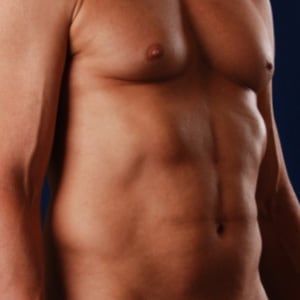
If you have loose skin and a stubborn belly that will not respond to diet and exercise, often after pregnancy or significant weight loss, a tummy tuck is the procedure that addresses it. A tummy tuck, or abdominoplasty, removes excess skin and fat from the abdomen and tightens the underlying muscles that have stretched or separated. For many people, especially women whose abdominal muscles split during pregnancy, it does what no amount of core work can: it repairs the muscle wall and flattens the stomach for good.

At his Denver practice, Dr. Jason Martin performs tummy tucks for patients who are done having children or have reached a stable weight and want to restore their midsection. As a board-certified plastic surgeon, he tailors the procedure to how much skin and muscle laxity you actually have.

At a Glance

Tummy Tuck at a Glance

These are typical starting points. Dr. Martin confirms the specifics for your case at your consultation.

Procedure time
2 to 3 hours (mini), 3 to 5 hours (full or extended)
Anesthesia
General anesthesia
Downtime
Desk work in about 2 to 3 weeks

Limited activity for 4 to 6 weeks.

When you'll see results
A flatter abdomen right away

Final result settles over 3 to 6 months as swelling resolves.

Results last
Long-lasting with a stable weight and no future pregnancies
Scars
A low horizontal scar at the bikini line

Hidden by underwear or swimwear.

Cost in Denver
$9,000 – $18,000

Mini at the low end; full and extended (with muscle repair) at the upper end.

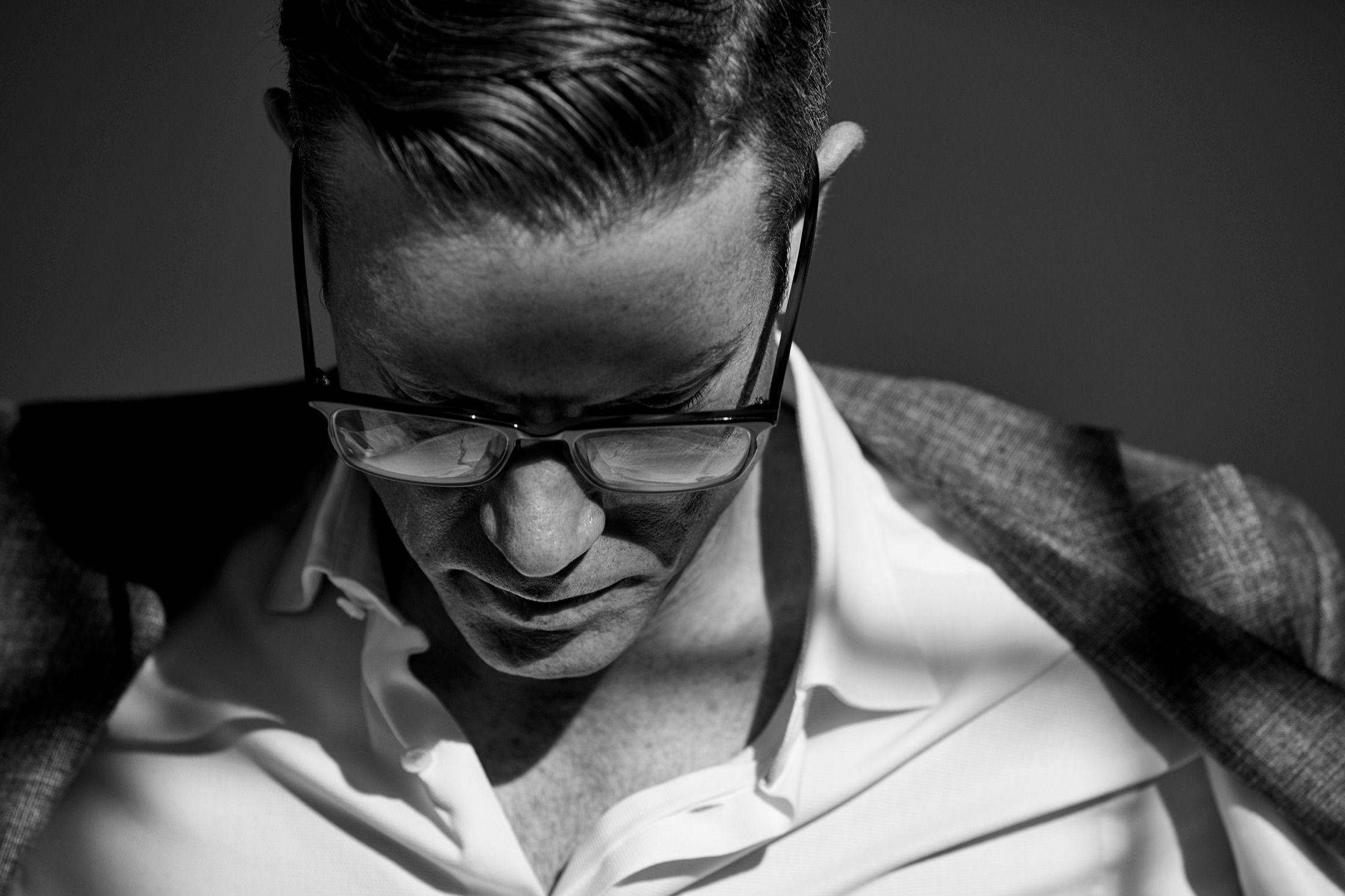
Jason Martin, MD — board-certified plastic surgeon in Denver, Colorado

What it addresses

What a Tummy Tuck Actually Does

A tummy tuck addresses three problems at once, which is why it succeeds where diet and exercise stall.

It repairs separated muscles. During pregnancy or weight gain, the two bands of abdominal muscle down the center of your stomach can stretch apart, a condition called diastasis recti. Once separated, they no longer hold the abdomen flat, which leaves a bulge that crunches and planks cannot fix because the muscles themselves are no longer together. A tummy tuck stitches them back into place, rebuilding the core from the inside.

It removes excess skin. After pregnancy or major weight loss, the skin of the abdomen is often stretched beyond what it can shrink back to. A tummy tuck removes that loose, hanging skin, including the area below the belly button where stretch marks and laxity tend to collect.

It removes stubborn fat. Localized fat is treated at the same time, often with liposuction, to smooth and refine the contour.

The combination is what gives a tummy tuck its dramatic, lasting result.
Your options

Your Tummy Tuck Options

There is no single tummy tuck. The right one depends on how much loose skin you have and where, and whether the muscles need repair. Here is how the main options compare.

Mini Tummy Tuck

A mini tummy tuck is best for loose skin and laxity limited to the area below the belly button.

It uses a shorter incision and addresses a smaller area, with a quicker recovery. It suits people whose concern is mainly the lower belly and who do not need extensive muscle repair.

Most common

Full Tummy Tuck

A full (standard) tummy tuck is best for loose skin and muscle separation across the whole abdomen.

It removes excess skin from above and below the belly button, repairs the separated muscles along the full length of the abdomen, and repositions the belly button naturally. This is the most common version and the right choice for most post-pregnancy and weight-loss patients.

Extended Tummy Tuck

An extended tummy tuck is best when loose skin wraps around to the flanks and lower back.

It extends the correction beyond the front of the abdomen to address the love handles and lower back, which is common after major weight loss. It involves a longer incision in exchange for a more complete result around the waistline.

Candidacy

Are You a Good Candidate?

You may be a good candidate for a tummy tuck if you have loose abdominal skin, separated or weakened muscles, or stubborn belly fat that diet and exercise have not resolved, and you are at or near a stable weight. The best candidates are done having children, since a future pregnancy can undo the muscle repair.

You are likely a good candidate if you:

  • Are bothered by loose skin, a stomach bulge, or muscle separation after pregnancy or weight loss
  • Are at or near your goal weight, since a tummy tuck is a contouring surgery rather than a weight-loss tool
  • Do not smoke, or are willing to stop well before and after surgery, since smoking interferes with healing
  • Are in good general health and have realistic expectations

If your concern is mostly stubborn fat with only mild skin laxity and intact muscles, a minimally invasive option like BodyTite may be a better fit, and Dr. Martin will tell you honestly when that is the case.

A few things make someone a poor candidate, and it is honest to name them. If you are planning future pregnancies, it is usually best to wait. If you are still well above your goal weight, losing weight first gives a better result. And uncontrolled health conditions need to be managed before any elective surgery. Dr. Martin will give you a straight answer about whether now is the right time.

Jason Martin, MD, FACS, board-certified plastic surgeon

Experience & judgment

Dr. Martin's Approach

Dr. Martin treats the muscle repair as the foundation of a good tummy tuck, since tightening the core is what creates a truly flat result rather than simply removing skin. He places the incision low, where underwear and swimwear hide it, and rebuilds a natural-looking belly button.

What he brings to that work

  • Jason Martin, MD, FACS, board-certified by the American Board of Plastic Surgery and a Fellow of the American College of Surgeons
  • Fellowship-trained in aesthetic plastic surgery
  • Adjunct professor with the Department of Plastic Surgery at the University of Colorado
  • Named a Top Doctor by 5280 magazine in 2024
American Board of Plastic Surgery American Society of Plastic Surgeons The Aesthetic Society
More About Dr. Martin

The procedure, step by step

What to Expect From the Procedure

A tummy tuck is performed under general anesthesia. The steps follow a consistent sequence:

  1. 01

    A low incision is made

    across the lower abdomen, kept as low as possible so the scar hides at the bikini line.

  2. 02

    The skin is lifted

    and the separated abdominal muscles are stitched back together, tightening the core from the inside.

  3. 03

    Stubborn fat is treated,

    often with liposuction, to refine the contour of the waist and abdomen.

  4. 04

    The excess skin is removed

    and the belly button is repositioned so it looks natural on the flatter abdomen.

  5. 05

    The incision is closed

    in layers to support healing and keep the scar as fine as possible, and a compression garment is placed.

Recovery

Your Recovery, Step by Step

Recovery from a tummy tuck takes some patience, but knowing the timeline ahead makes it manageable. The pattern below is typical; Dr. Martin gives you specific instructions for your case.

  1. The first week

    You will rest with your hips slightly bent to protect the muscle repair, and any surgical drains are usually removed within the first week or two. Discomfort is most noticeable early and is well controlled.

  2. About 2 to 3 weeks

    Most people return to desk work and light daily activity, still wearing a compression garment.

  3. About 4 to 6 weeks

    Activity gradually increases; strenuous exercise and core workouts resume once Dr. Martin clears you.

  4. Months

    Swelling continues to settle and your final, flat result emerges over 3 to 6 months as the tissues heal.

Proof

Tummy Tuck Before and After

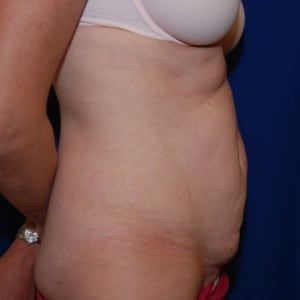
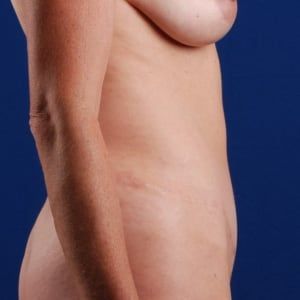
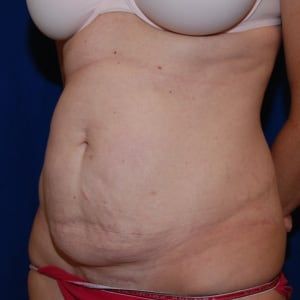
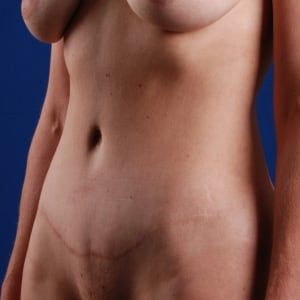
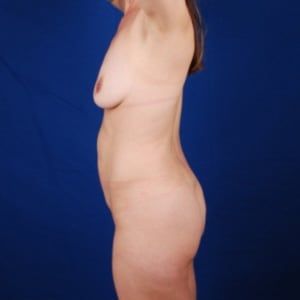
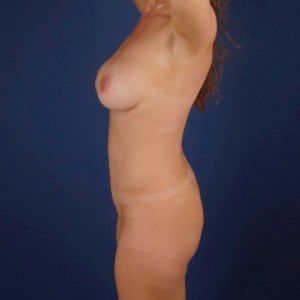
Photographs of real patients are the clearest way to see what a tummy tuck can do for loose skin, muscle separation, and the overall shape of the abdomen.

Before — Tummy tuck before and after — abdominal contour
Before
After — Tummy tuck before and after — abdominal contour
After
Before — Tummy tuck before and after — loose skin removal
Before
After — Tummy tuck before and after — loose skin removal
After
Before — Tummy tuck before and after — flatter midsection
Before
After — Tummy tuck before and after — flatter midsection
After
Before — Tummy tuck before and after — waistline shape
Before
After — Tummy tuck before and after — waistline shape
After

Results vary from patient to patient. Photographs are of Dr. Martin's actual patients, shown with their consent.

Investment

What Does a Tummy Tuck Cost in Denver?

In Denver, a tummy tuck generally runs from about $9,000 to $18,000, depending on whether it is a mini, full, or extended abdominoplasty, whether muscle repair and liposuction are included, and anesthesia and facility fees. A mini tummy tuck sits at the lower end, while a full or extended tummy tuck with muscle repair is more involved.

At your consultation you will receive a clear, itemized quote for your specific plan, and our team will walk you through financing options so the cost fits your budget.

Request a Consultation

Common questions

Frequently Asked Questions

How much does a tummy tuck cost in Denver?

A tummy tuck in Denver generally runs from about $9,000 to $18,000, depending on whether you have a mini, full, or extended tummy tuck, whether muscle repair and liposuction are included, and anesthesia and facility fees. You will receive an itemized quote for your specific plan at your consultation, along with financing options.

Will a tummy tuck fix diastasis recti?

Yes. Repairing diastasis recti, the separation of the abdominal muscles, is one of the main things a tummy tuck does. The separated muscles are stitched back together, which flattens the abdomen in a way that exercise cannot once the muscles have split. For many patients this muscle repair is the most important part of the surgery.

What disqualifies you from a tummy tuck?

The most common reasons to wait are planning a future pregnancy, being well above your goal weight, smoking, or having an uncontrolled health condition. None of these are permanent disqualifiers; most can be addressed so you become a good candidate later. Dr. Martin gives you a straight assessment at your consultation.

Can I still get a tummy tuck if I plan to lose more weight?

It is usually best to be at or near your goal weight first, since significant weight loss after a tummy tuck can leave new loose skin. If you are close to your goal, Dr. Martin can advise on timing. A tummy tuck is a contouring surgery, not a substitute for weight loss.

How long do tummy tuck results last?

Tummy tuck results are long-lasting when your weight stays stable and you do not have future pregnancies, both of which can stretch the skin and muscles again. With those in mind, the flat contour and muscle repair hold for many years.

What is the difference between a mini and a full tummy tuck?

A mini tummy tuck addresses loose skin only below the belly button with a shorter incision and quicker recovery. A full tummy tuck addresses the entire abdomen, repairs the muscles along their full length, and repositions the belly button. The right one depends on how much skin and muscle laxity you have, which Dr. Martin assesses at your consultation.

When can I go back to work after a tummy tuck?

Most people return to desk work in about 2 to 3 weeks. Jobs that involve lifting or physical activity require more time, usually closer to 4 to 6 weeks, until Dr. Martin clears you for full activity.

Begin

Schedule Your Consultation

The best way to know which tummy tuck is right for you is an exam with the surgeon who performs it. Dr. Martin will assess your skin, muscles, and goals, explain your options in plain terms, and tell you honestly whether now is the right time. Take our virtual consultation to get started, or call our Denver office at (303) 321-1439 to schedule your visit.

(303) 321-1439