Face
OtoplastyDenver, CO
Reshape prominent or misshapen ears for a natural, balanced look, for children and adults.
Otoplasty (Ear Pinning)
If your ears, or your child's ears, stick out far enough to draw comments or self-consciousness, otoplasty is the surgery that corrects it. Otoplasty, commonly called ear pinning, reshapes and repositions the ears so they sit closer to the head and look balanced with the rest of the face. It can also correct ears that are asymmetric, oversized, or misshapen. For a child who is being teased, or an adult who has spent a lifetime hiding their ears behind their hair, it is a small operation that makes a large difference in confidence.
At his Denver practice, Dr. Jason Martin performs otoplasty for both children and adults. As a board-certified plastic surgeon, his goal is ears that look natural and symmetric, never overcorrected or pinned too tightly to the head.
At a Glance
Otoplasty at a Glance
These are typical starting points. Dr. Martin confirms the specifics for your case at your consultation.
- Procedure time
- About 1.5 to 2 hours for both ears
- Anesthesia
- Local with sedation for adults; general for young children
- Downtime
- Back to work or school in about 1 to 2 weeks
- When you'll see results
- New position is visible right away
- Results last
- Permanent
- Scars
- Hidden in the natural crease behind the ear
- Cost
- $5,000 – $8,000
A protective headband is worn for several weeks afterward.
The final shape settles as swelling resolves over the following weeks.
Reshaped ear cartilage does not return to its old position.
For both ears; varies with complexity.
What it treats
What Otoplasty Can Correct
Otoplasty addresses several different concerns with the shape and position of the ears:
- Prominent or protruding ears that stick out noticeably from the head, which is the most common reason people seek the surgery
- Asymmetry, when one ear is shaped or positioned differently from the other
- Oversized ears that are out of proportion with the face
- Misshapen ears, including issues with the natural folds and contours of the cartilage
- Earlobe concerns, such as large, stretched, or torn earlobes
In most cases, the issue is that the cartilage did not fold normally as the ear developed, which leaves the ear projecting further from the head than usual. Otoplasty recreates those natural folds and brings the ear into a balanced position.
Candidacy
Are You, or Your Child, a Good Candidate?
Otoplasty works well for both children and adults, and the right timing depends on age.
You or your child may be a good candidate if you:
- Are healthy and able to follow basic aftercare instructions
- Are a child whose ears have reached nearly full size (about age 5 or 6)
- Are an adult who has been self-conscious about your ears — there is no upper age limit
- Want a natural, balanced correction rather than ears pinned flat against the head
For children, the ears reach nearly their full size by about age 5 or 6, which is the earliest the surgery is usually done. Many families choose to have it done around this age, before or early in the school years, when the cartilage is still soft and easy to reshape and before teasing becomes an issue. A good young candidate is healthy, able to follow basic aftercare instructions, and bothered by the appearance of their ears (or has parents who want to address it early).
For adults, there is no upper age limit. Plenty of people who were self-conscious about their ears for years finally address it as adults, and the surgery works just as well. A good adult candidate is in good general health and wants a natural, balanced correction.
Otoplasty is honest about what it does. It reshapes and repositions the ears for a natural look; it is not about pinning them flat against the head, which looks unnatural. Dr. Martin aims for ears that simply look normal, so they stop drawing attention.
Experience & judgment
Dr. Martin's Approach
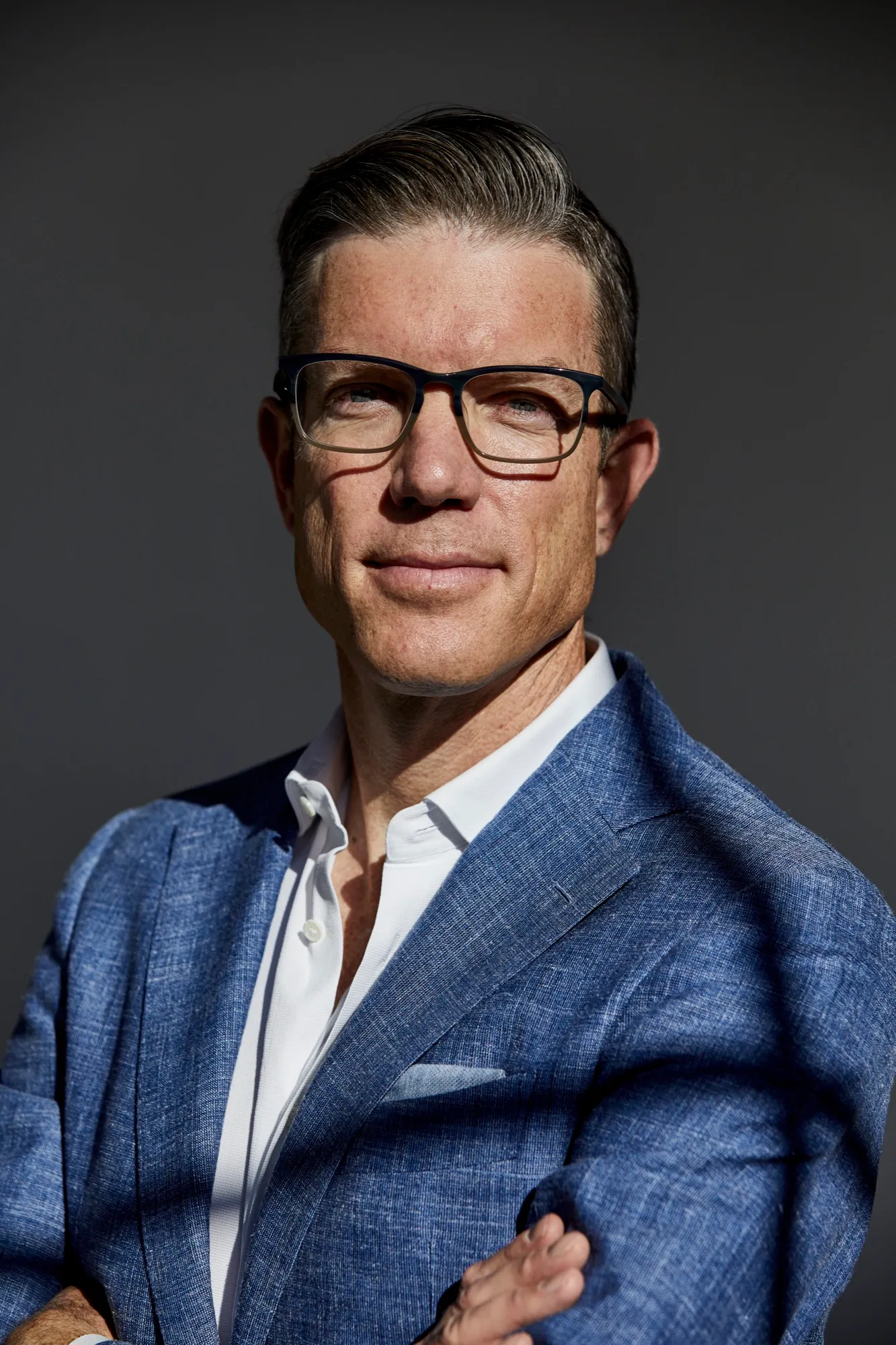
Dr. Martin reshapes the ear cartilage to create or restore the natural folds, then sets the ear in a balanced position using permanent sutures. The art is in symmetry and restraint, since ears that are pinned too far back, or that do not match each other, are the telltale signs of an overdone result.
What he brings to that work
- Jason Martin, MD, FACS, board-certified by the American Board of Plastic Surgery and a Fellow of the American College of Surgeons
- Fellowship-trained in aesthetic plastic surgery
- Adjunct professor with the Department of Plastic Surgery at the University of Colorado
- Named a Top Doctor by 5280 magazine in 2024



The procedure, step by step
What to Expect From the Procedure
Otoplasty is an outpatient surgery. The steps follow a consistent sequence:
- 01
The ear is marked
according to the reshaping planned at your consultation, and anesthesia is given (local with sedation for adults, general for young children).
- 02
A small incision is made
in the natural crease behind the ear, where the scar will be hidden.
- 03
The cartilage is reshaped,
recreating the natural folds and removing or scoring cartilage where needed to bring the ear into position.
- 04
Permanent sutures hold the new shape,
setting the ear closer to the head in a balanced position.
- 05
The incision is closed
and a supportive dressing or headband is placed to protect the ears while they heal.
Recovery
Your Recovery, Step by Step
Recovery from otoplasty is usually straightforward. The pattern below is typical; Dr. Martin gives you specific instructions for your case.
-
The first few days
The ears are bandaged and may feel sore and swollen. Discomfort is usually mild and well controlled.
-
The first 1 to 2 weeks
The initial dressing comes off and most people, children included, are ready to return to work or school. The ears will still be settling.
-
Several weeks
A protective headband is worn, especially at night, to keep the ears protected while the cartilage heals in its new position. Swelling continues to resolve.
-
Ongoing
Contact sports and any activity that could bend the ears are held until Dr. Martin clears you, usually after several weeks.
Investment
What Does Otoplasty Cost in Denver?
In Denver, otoplasty generally runs from about $5,000 to $8,000 for both ears, depending on the complexity of the reshaping, whether one or both ears are treated, the type of anesthesia, and facility fees. Most cases involve both ears.
At your consultation you will receive a clear, itemized quote for your specific plan, and our team will walk you through financing options so the cost fits your budget.
Patient experience
In Our Patients' Words
Dr. Martin's otoplasty patients, and the parents of his younger patients, consistently describe a natural result and a noticeable lift in confidence.
Common questions
Frequently Asked Questions
How much does otoplasty cost in Denver?
Ear pinning in Denver generally runs from about $5,000 to $8,000 for both ears, depending on the complexity of the reshaping, whether one or both ears are treated, the anesthesia used, and facility fees. You will receive an itemized quote for your specific plan at your consultation, along with financing options.
What is the best age for ear pinning surgery?
The ears reach nearly full size by about age 5 or 6, which is the earliest the surgery is usually done. Many families choose to have it done around this age, before or early in school, when the cartilage is soft and easy to reshape. There is no upper age limit, so adults are good candidates too.
Can adults get otoplasty?
Yes. There is no upper age limit, and many patients address ears they have been self-conscious about for years as adults. The surgery works just as well in adulthood, typically under local anesthesia with sedation.
What is the difference between otoplasty and ear pinning?
They are the same procedure. Otoplasty is the medical term for surgery that reshapes the ears, and ear pinning is the common name for it, since the most frequent goal is to bring protruding ears closer to the head.
How long does otoplasty last?
The results are permanent. Once the ear cartilage is reshaped and held in its new position, it does not return to how it was before, so a single surgery lasts for life.
Is ear pinning surgery painful?
Most patients describe mild soreness rather than significant pain, and it is well controlled with medication in the first few days. The ears feel tender while they heal, which is why a protective headband is worn for the first several weeks.
How long is recovery after ear pinning surgery?
Most people return to work or school in about 1 to 2 weeks. A protective headband is worn for several weeks, especially at night, and contact sports are held until Dr. Martin clears you. Swelling continues to settle over the following weeks.
Does insurance cover otoplasty?
Otoplasty is usually considered a cosmetic procedure and is not typically covered by insurance. Our team will give you a clear, itemized quote and walk you through financing options at your consultation.
Related care
Related Procedures
Begin
Schedule Your Consultation
The best way to know whether otoplasty is right for you or your child is an exam with the surgeon who performs it. Dr. Martin will examine the ears, explain the reshaping in plain terms, and build a plan around a natural, balanced result. Take our virtual consultation to get started, or call our Denver office at (303) 321-1439 to schedule your visit.
(303) 321-1439