Skip to content
Jason Martin, MD, FACS — board-certified plastic surgeon in Denver, Colorado

Face & Neck Rejuvenation

Facelift & Neck LiftDenver, CO

The natural, lasting way to address aging in the face and neck.

Facelift & Neck Lift

If you feel like the face in the mirror looks tired or older than you actually feel, you are not alone, and a facelift is the most direct way to address it. A facelift, or rhytidectomy, repositions the deeper layers of the face to soften deep folds, lift sagging cheeks and jowls, and restore a smoother jawline. A neck lift does the same for loose skin and banding under the chin, which is why the two are so often done together. Done well, the result still looks like you, only rested and years younger.

At his Denver practice, Dr. Jason Martin offers every version of this surgery, from the least invasive to the most complete, including the deep plane facelift. The right approach depends on your anatomy, your goals, and how your face has changed over time.

At a Glance

Facelift and Neck Lift at a Glance

The figures below are typical starting points so you know what to expect. Dr. Martin confirms the specifics for your case at your consultation.

Procedure time
About 2–4 hours

Longer for a combined deep plane and neck lift.

Anesthesia
General or IV sedation
Downtime
About 10–14 days

Back to work and social plans.

Results
Early, refining for months
Longevity
10+ years
Scars
Hidden by the ears & hairline
Cost in Denver
$20,000 – $50,000

Deep plane + neck lift at the upper end.

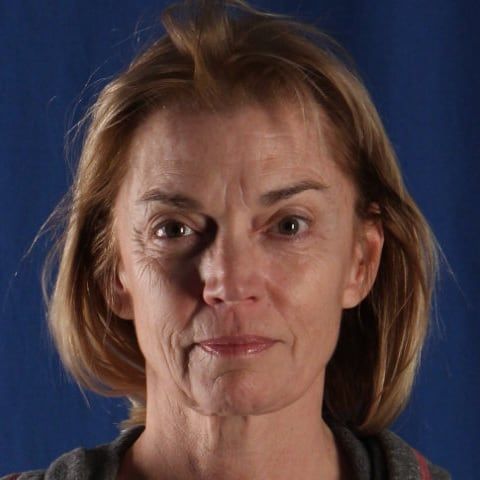
A natural facelift and neck lift result

The procedure

What a Facelift and Neck Lift Actually Do

Your face does not age all at once. Over the years, the deeper support structure loosens, the cheek fat that once sat high begins to descend, and the skin that used to hold everything in place stretches. The result is the set of changes most people recognize in themselves: deeper lines from the nose to the mouth, jowls forming along a once-clean jawline, and a softening under the chin.

A facelift works on that deeper structure, not the skin alone. Beneath the skin is a layer of muscle and connective tissue called the SMAS (the superficial musculoaponeurotic system). Lifting and repositioning this layer is what gives a facelift its staying power and its natural look. A skin-only lift pulls the surface tight and tends to relax again quickly, which is where the over-pulled, windswept appearance comes from. By repositioning the layer underneath, Dr. Martin restores the support your face has lost and lets the skin settle naturally over it.

A neck lift addresses the area a facelift alone cannot fully reach. When the neck has loose skin, visible cords (the platysma muscle bands), or a heavy, fuller contour from a mix of fat and lax skin, the neck is tightened and refined so the jawline and neck match the rejuvenated face.


Your options

Your Facelift Options With Dr. Martin

There is no single facelift. Dr. Martin tailors the technique to your anatomy and the amount of change you are looking for. Here is what each option does and who it tends to suit.

Mini Facelift

A mini facelift refreshes the lower face and jawline for someone with early or moderate laxity.

This uses shorter incisions around the ear to lift the lower third of the face, softening early jowls and tightening the jawline. It involves less surgery and a quicker recovery than a full lift. It does less for the midface and neck, so it is best when those areas are still holding their shape.

Full (SMAS) Facelift

A full facelift restores the cheeks, jawline, and lower face when aging is more advanced.

This lifts and repositions the SMAS layer across the mid and lower face, then redrapes the skin without tension. It corrects deeper folds and more developed jowls than a mini lift, and the results last longer because the work is done on the structural layer rather than the skin.

Signature technique

Deep Plane Facelift

A deep plane facelift produces the most natural and complete correction, especially for the midface and the folds beside the nose and mouth.

Instead of lifting the skin and the SMAS as separate layers, Dr. Martin releases the ligaments that tether the deeper tissue and repositions the skin and underlying layer together as one unit. Because nothing is pulled tight against those anchor points, the cheeks are restored to a higher, more youthful position and the result avoids the stretched look that worries many people. This technique asks more of the surgeon and is where board-certified training and experience matter most.

The Neck Lift

A neck lift sharpens the jawline and removes the loose skin, cords, and fullness that age the neck.

Through a small incision under the chin, and often combined with the incisions used for a facelift, the muscle bands are tightened, excess skin is removed, and stubborn fullness can be reduced with liposuction. A neck lift is frequently combined with a facelift because treating the two together gives a balanced, consistent result.

Candidacy

Are You a Good Candidate?

The best candidates for a facelift or neck lift are healthy adults bothered by loose skin, jowls, or a softened jawline and neck, who want a real correction that lasts. Most people who consider this surgery are in their 40s through their 60s, though there is no strict age limit in either direction. What matters more than age is your health and your skin.

You are likely a good candidate if you:

  • Have loose or sagging skin, jowls, or deep folds in the lower face, or banding and fullness in the neck
  • Are in good general health, without conditions that make surgery unsafe
  • Do not smoke, or are willing to stop well before and after surgery, since smoking interferes with healing
  • Have a clear sense of what you want and a realistic understanding of what surgery can do

A facelift is a true correction, and it is honest to say what it does not do. It will not change your fundamental bone structure, and it does not stop the clock; your face will continue to age naturally from its new, younger starting point. It also does little for fine surface lines and skin texture, which are better handled with resurfacing or other skin treatments.

If your changes are early and driven more by mild laxity than by descended tissue, surgery may be more than you need right now. Dr. Martin also offers minimally invasive radiofrequency options like FaceTite radiofrequency skin tightening and AccuTite for the eyes and lower face, which can tighten early laxity with far less downtime. Part of an honest consultation is telling you when one of these is the better fit.

Jason Martin, MD, FACS, board-certified plastic surgeon

Experience & judgment

Dr. Martin's Approach

Dr. Martin is a board-certified plastic surgeon who treats the face as its own discipline. His preference for techniques like the deep plane lift comes from a simple goal: a result that looks like you on your best day, never operated on. He plans each facelift around your anatomy, and when fat loss has played a part in how your face has aged, he often adds fat grafting to restore volume where you have lost it.

What he brings to that work

  • Jason Martin, MD, FACS, board-certified by the American Board of Plastic Surgery and a Fellow of the American College of Surgeons
  • Fellowship-trained in aesthetic plastic surgery of the face, breast, and body
  • Adjunct professor with the Department of Plastic Surgery at the University of Colorado, where he helps train fellows in the field
  • Named a Top Doctor by 5280 magazine in 2024
  • A published author and frequent lecturer on advancing aesthetic surgery techniques
American Board of Plastic Surgery American Society of Plastic Surgeons The Aesthetic Society
More About Dr. Martin

The procedure, step by step

What to Expect From the Procedure

Surgery begins with a plan made specifically for you at your consultation, where Dr. Martin examines your face and neck and reviews your goals, the technique he recommends, and the risks and recovery. Good health going in matters, so for patients over 50 the workup includes an EKG along with basic bloodwork. On the day of surgery, the steps follow a consistent sequence:

  1. 01

    Incisions

    are placed in the natural creases around the ears and within the hairline, where they heal as thin, hidden lines. When the neck is treated, a small incision is added under the chin.

  2. 02

    The deeper layer is repositioned.

    Dr. Martin lifts and resets the SMAS, or releases and repositions the deeper tissue in a deep plane lift, restoring support to the cheeks, jawline, and neck.

  3. 03

    The skin is redraped

    gently over the new foundation, without the tension that creates a pulled look, and any excess is removed.

  4. 04

    Incisions are closed

    in layers to support healing and keep the scars fine, and a soft dressing is placed to protect the area and limit swelling.

Recovery

Your Recovery, Step by Step

Recovery from a facelift is more comfortable than most people expect, and knowing the timeline ahead of time takes much of the worry out of it. The pattern below is typical; Dr. Martin gives you specific instructions for your case.

  1. The first few days

    Swelling and bruising peak. You will rest with your head elevated on two or three pillows, which makes a real difference in how quickly swelling settles. Any dressings, and drains if used, typically come out within the first day or two.

  2. The first week

    The tightness most people notice early begins to ease as swelling goes down. Discomfort is usually mild and rarely needs prescription pain medication beyond the first week. Sutures generally come out around this point.

  3. About 10 to 14 days

    Most patients feel ready to return to work and social activities, with any remaining swelling easy to conceal.

  4. Weeks to months

    The deeper swelling resolves gradually and your final result continues to refine over several months as the tissues settle and the scars fade.

The hardest part of recovery, as Dr. Martin's patients often say, is taking it easy when you already feel good enough to do more.

Proof

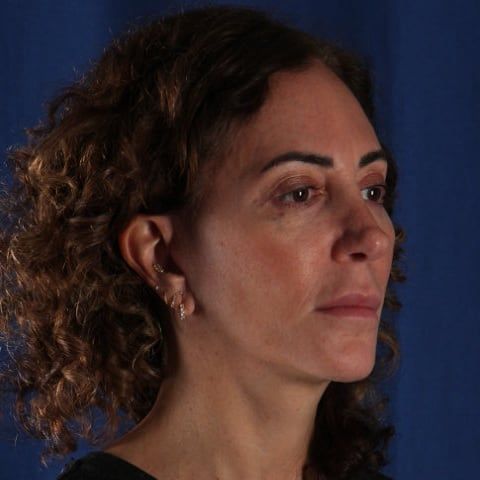
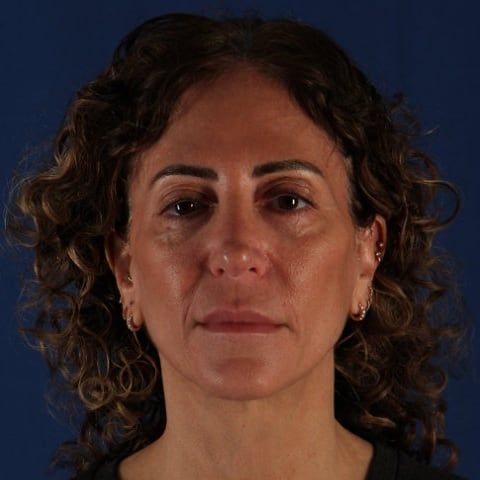
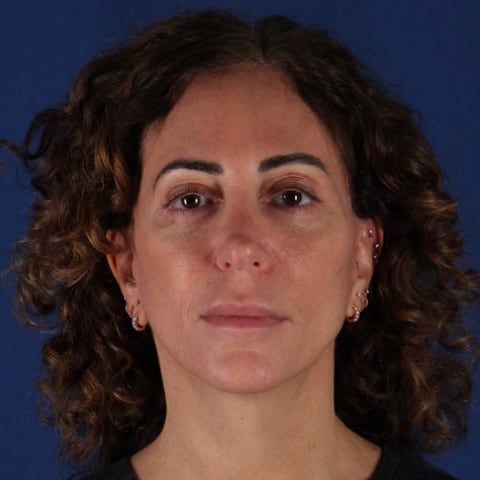
Facelift Before and After

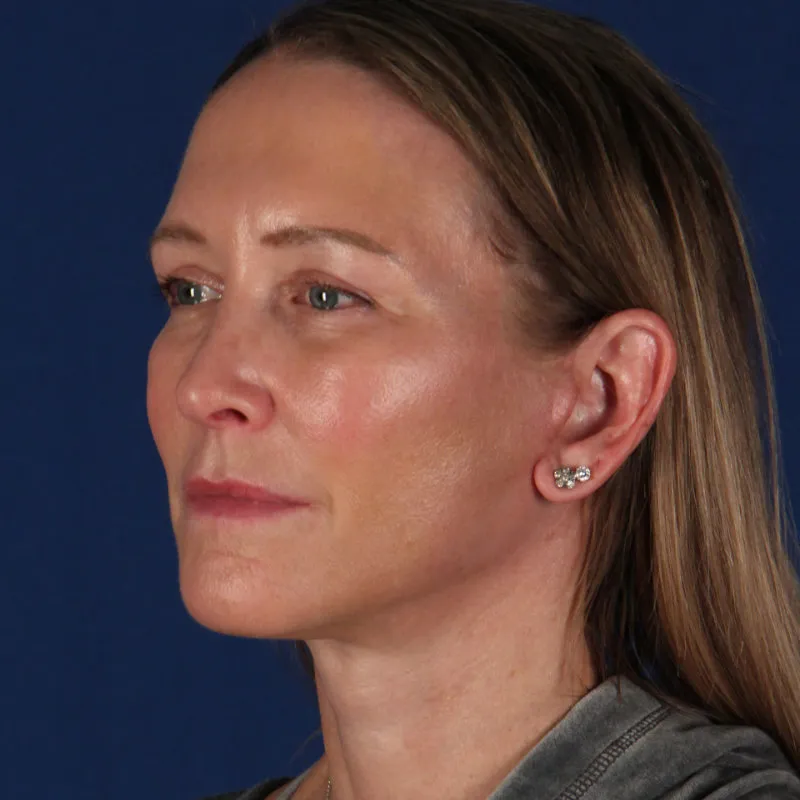
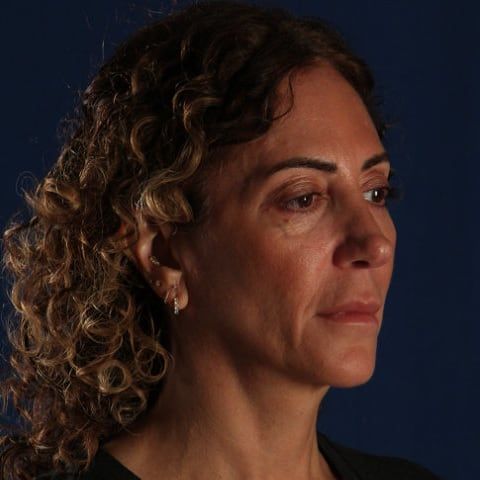
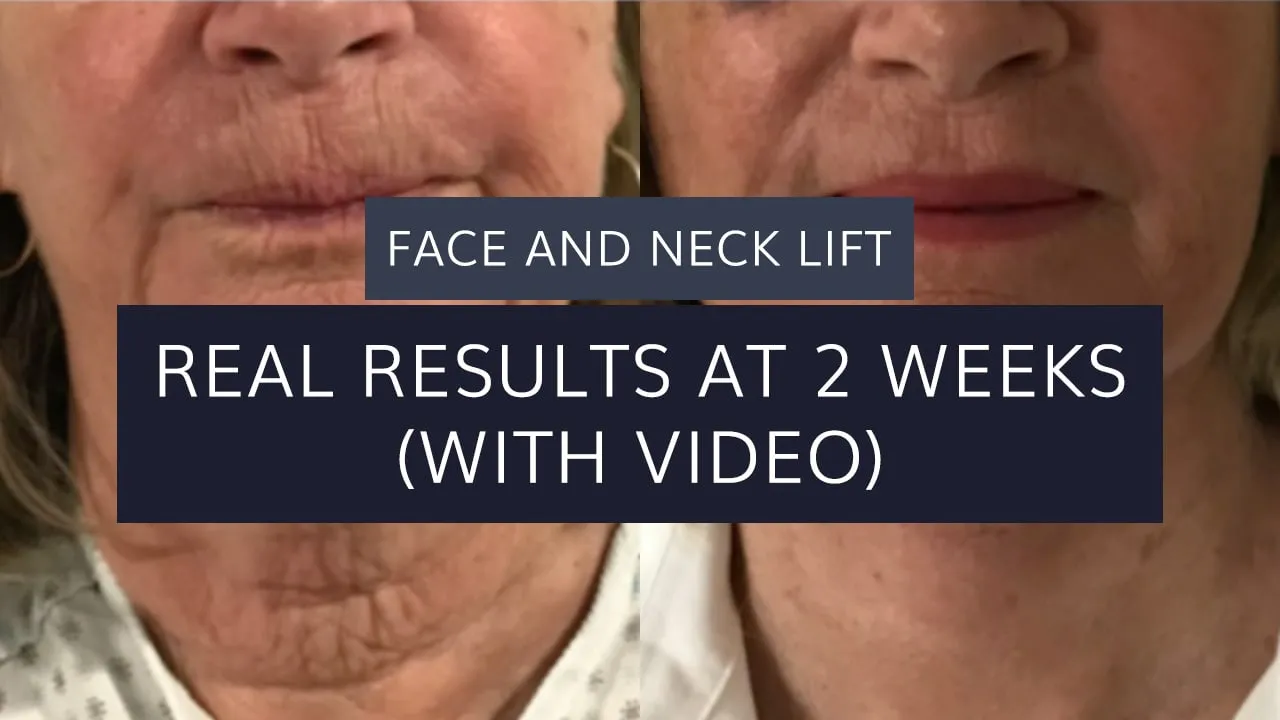
Photographs of Dr. Martin's actual patients are the clearest way to understand what a natural facelift result looks like, including how well the incisions hide once healed. You can see examples in our gallery, and Dr. Martin will review cases similar to yours at your consultation.

Before — facelift and neck lift result, oblique view
Before
After — facelift and neck lift result, oblique view
After
Before — facelift and neck lift result, profile view
Before
After — facelift and neck lift result, profile view
After
Before — facelift and neck lift result, front view
Before
After — facelift and neck lift result, front view
After
Before — facelift and neck lift result, three-quarter view
Before
After — facelift and neck lift result, three-quarter view
After

Results vary from patient to patient. Photographs are of Dr. Martin's actual patients, shown with their consent.

Investment

What Does a Facelift Cost in Denver?

In Denver, facelift surgery generally runs from about $20,000 to $50,000. A mini facelift sits toward the lower end, and a deep plane facelift combined with a neck lift sits at the upper end, where the surgery is more involved and takes longer to perform. Anesthesia and facility fees are part of the total, and so is fat grafting when it is added to restore lost volume.

Dr. Martin's deep plane technique is among the more advanced facelift options available, and it is priced accordingly. At your consultation you will receive a clear, itemized quote for your specific plan, and our team will walk you through financing options so the cost fits your budget.

Request a Consultation

Patient experience

In Our Patients' Words

Dr. Martin's patients consistently describe results that look natural and a recovery that was easier than they feared.

Beauty & the Surgeon

Watch and Listen

Dr. Martin covers facelift and neck lift surgery on his podcast, Beauty and the Surgeon, and on his YouTube channel. A few episodes to start with:

Common questions

Frequently Asked Questions

How much does a facelift cost in Denver?

In Denver, facelift surgery generally runs from about $20,000 to $50,000, depending on the technique, whether a neck lift or fat grafting is included, and anesthesia and facility fees. A deep plane facelift with a neck lift sits at the upper end. Dr. Martin provides an itemized quote for your specific plan at your consultation, along with financing options.

What is the difference between a deep plane facelift and a traditional facelift?

A traditional facelift lifts the skin and the deeper SMAS layer as two separate layers. A deep plane facelift releases the ligaments holding the deeper tissue and repositions that layer and the skin together as a single unit. This restores the cheeks to a higher position and tends to look more natural, with less of the pulled appearance some people associate with older facelift techniques.

What is the most natural-looking facelift?

For many patients, a deep plane facelift gives the most natural result, because it repositions deeper tissue and avoids the pulled look that comes from relying on skin tension. The most natural result for you comes from matching the technique to your anatomy, which is what the consultation is for.

Am I too old, or too young, for a facelift?

There is no strict age cutoff. Healthy patients in their 60s, 70s, and beyond do very well, and some people in their 40s are good candidates when jowls or folds have appeared early. Your health and the condition of your skin matter more than the number.

How long do facelift results last?

A facelift commonly lasts 10 years or more. It does not stop aging, so your face continues to change gradually from a younger starting point. Protecting your skin from the sun and maintaining a stable weight help your results last.

How long is recovery, and when can I go back to work?

Most patients return to work and social activities in about 10 to 14 days. Swelling and bruising are heaviest in the first few days and ease over the first week or two, with the final result refining over the following months.

Where are the scars, and will they show?

Incisions are placed in the natural creases around the ears and within the hairline, with a small hidden incision under the chin if your neck is treated. Once healed, they are very difficult to see, and most patients wear their hair normally without anyone noticing.

What is a mini facelift, and is it enough for me?

A mini facelift uses shorter incisions to refresh the lower face and jawline, with a faster recovery. It is a good fit when aging is early or moderate and the midface and neck are still holding their shape. If those areas have changed more, a full or deep plane lift will give a better and longer-lasting result.

Can a facelift fix my jowls and neck?

A facelift restores the lower face and jawline, and pairing it with a neck lift addresses loose skin, cords, and fullness under the chin. Treating the face and neck together gives the most balanced result, which is why they are so often combined.

What is the difference between a surgical facelift and a non-surgical option like FaceTite?

A surgical facelift repositions deeper tissue and removes excess skin, which is what more advanced sagging requires. Radiofrequency options such as FaceTite and AccuTite tighten earlier, milder laxity with much less downtime, but they do not replace a facelift when tissue has truly descended. Dr. Martin will tell you honestly which one fits your face.

From Dr. Martin

Articles on Facelift and Neck Lift Surgery

For a closer look at specific parts of the process, these articles from Dr. Martin go deeper:

Begin

Schedule Your Consultation

The clearest way to know which facelift is right for you is a conversation with the surgeon who will perform it. Dr. Martin will examine your face and neck, explain your options in plain terms, and build a plan around your goals. Take our virtual facelift consultation to get started, or call our Denver office at (303) 321-1439 to schedule your visit.

(303) 321-1439