


Skip to content
Jason Martin, MD, FACS — board-certified plastic surgeon in Denver, Colorado

Face

FaceTiteDenver, CO

Tighten the lower face, jawline, and neck without the incisions or downtime of a facelift.

FaceTite RF Skin Tightening

If your lower face and neck have started to soften but you are not ready for a facelift, FaceTite may be the option that fits. FaceTite is a minimally invasive treatment that uses radiofrequency energy to tighten loose skin on the face, jowls, and neck through a tiny entry point instead of surgical incisions. It is the choice for earlier laxity, when you want a real change in your jawline and neck without the recovery a surgical lift requires. Most patients are back to light activity within a few days.

At his Denver practice, Dr. Jason Martin uses FaceTite as one of his minimally invasive options for the aging face. He was an early adopter of radiofrequency contouring and lectures to other physicians on the technology, which matters with a treatment whose result depends on the precision of the surgeon delivering it.

At a Glance

FaceTite at a Glance

These are typical starting points. Dr. Martin confirms the specifics for your treatment plan at your consultation.

Downtime
Light activity within a few days
Anesthesia
Local, often with light sedation
Treatment time
About 60 to 90 minutes

Depending on the areas treated.

Results
Continue over 3 to 6 months

Some tightening is visible early; skin keeps firming as new collagen forms.

Scars
None to speak of — one or two tiny entry points
Cost in Denver
$4,000 – $8,000

Depends on areas and whether AccuTite is combined.

Jason Martin, MD — board-certified plastic surgeon in Denver, Colorado

The technology

How FaceTite Works

FaceTite uses a technique called radiofrequency-assisted lipolysis, or RFAL. Dr. Martin places a thin probe just beneath the skin through a tiny access point, while a small electrode rests on the surface above it. Radiofrequency energy passes between the two, heating the underside of the skin and the tissue beneath it in a controlled way. The device monitors temperature in real time, which keeps the treatment both effective and safe.

That controlled heat tightens the skin you have now and prompts your body to build new collagen over the months that follow. This is what firms the jawline and smooths the neck without removing skin surgically, and it is why your result keeps improving for several months after a single treatment.

Your options

FaceTite or a Facelift: Which Is Right for You?

This is the question most people ask, and the honest answer comes down to how much your face has changed. Here is how the two compare.

Minimally invasive

FaceTite

FaceTite is best for early to moderate laxity, when the skin has begun to loosen but has not truly descended.

It tightens the lower face, jawline, and neck through tiny access points, with a quick recovery and no surgical scars. It is the right call when you want a meaningful refresh and are not ready for the recovery of surgery. It does less than a facelift for heavy, hanging skin.


A Facelift and Neck Lift

A surgical facelift and neck lift is best when aging is more advanced, with significant loose skin, deep folds, and a heavy neck.

It repositions the deeper layers of the face and removes excess skin directly, which is the most complete and longest-lasting correction. It involves a longer recovery and incisions hidden around the ears, and it addresses changes that radiofrequency tightening cannot reach.

Treatment areas

Areas FaceTite Can Treat

FaceTite works on the lower third of the face and the neck, where laxity tends to show first:

  • The lower face and cheeks, for early softening
  • The jowls, to restore a cleaner jawline
  • The jawline itself, for a more defined contour
  • The neck and under the chin, where loose skin and fullness collect

For the delicate areas around the eyes, AccuTite uses a smaller probe and is often paired with FaceTite in the same session.

Candidacy

Are You a Good Candidate?

You may be a good candidate for FaceTite if you have early to moderate loose skin in the lower face, jowls, or neck, you are in good general health, and you want a real improvement without the downtime of a facelift. Most patients who choose FaceTite are in their late 30s through their 50s, when laxity has started but the deeper tissue has not fully descended.

You are likely a good candidate if you:

  • Have early to moderate loose skin in the lower face, jowls, or neck
  • Are in your late 30s through your 50s, when laxity has started but tissue has not fully descended
  • Want a real improvement without the downtime of a facelift
  • Are in good general health with realistic expectations

FaceTite is honest about its limits, and so are we. It tightens existing skin, so it works best for laxity that is mild to moderate. If your face has significant loose skin, deep folds, or a heavy neck, a facelift will give you a better and longer-lasting result, and Dr. Martin will tell you so. The goal is the right treatment for where your face is now.

Jason Martin, MD, FACS, board-certified plastic surgeon

Experience & judgment

Dr. Martin's Approach

Dr. Martin has worked with radiofrequency contouring since its early days, and he lectures to and educates other physicians on these technologies. That experience matters with a temperature-driven treatment like FaceTite, where the quality of the result depends on the surgeon's judgment and technique.

A surgeon who performs both FaceTite and facelifts can give you an unbiased recommendation, because the choice is not limited by what he offers.

What he brings to that work

  • Jason Martin, MD, FACS, board-certified by the American Board of Plastic Surgery and a Fellow of the American College of Surgeons
  • Adjunct professor with the Department of Plastic Surgery at the University of Colorado
  • A published author who lectures nationally on radiofrequency, laser, and ultrasound contouring technologies
  • Named a Top Doctor by 5280 magazine in 2024
American Board of Plastic Surgery American Society of Plastic Surgeons The Aesthetic Society
More About Dr. Martin

The procedure, step by step

What to Expect From the Procedure

FaceTite is usually done in the office under local anesthesia, often with light sedation for comfort. The steps are straightforward:

  1. 01

    The area is numbed,

    and one or two tiny access points are made, small enough that they rarely leave a visible mark.

  2. 02

    The probe delivers radiofrequency energy

    beneath the skin while the external electrode and the device monitor temperature, tightening the skin and the tissue beneath it.

  3. 03

    Any loosened fat is gently removed

    through the same small openings when contouring the jowls or neck is part of your plan.

  4. 04

    A supportive garment is placed

    around the chin and neck to help the skin settle into its new shape.

Recovery

Your Recovery

Recovery from FaceTite is much easier than recovery from a facelift, which is a large part of its appeal.

  1. The first day or two

    Most patients take it easy and manage comfortably while the treated areas settle.

  2. Within a few days

    Most patients return to light activity. The quick recovery is a large part of FaceTite's appeal over a facelift.

  3. The first week or two

    You will wear a supportive garment for a short period to help the area settle. Some swelling and bruising are normal early on and ease over this window.

  4. 3 to 6 months

    The skin tightening continues gradually as new collagen forms, and your final result develops. Dr. Martin gives you specific aftercare instructions for your treatment.

The skin tightening continues gradually, with your final result developing over 3 to 6 months as new collagen forms.

Investment

What Does FaceTite Cost in Denver?

In Denver, FaceTite generally runs from about $4,000 to $8,000, depending on the areas treated and whether it is combined with AccuTite for the delicate zones around the eyes. Anesthesia and facility fees are part of the total.

At your consultation you will receive a clear, itemized quote for your specific plan, and our team will walk you through financing options so the cost fits your budget.

Request a Consultation

Patient experience

In Our Patients' Words

Dr. Martin's patients consistently describe facial-tightening results that look natural and a recovery that was easier than they feared.

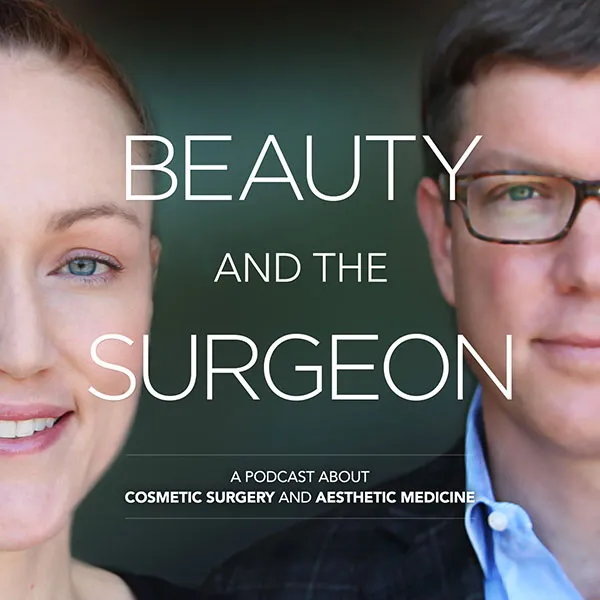
Beauty & the Surgeon

Watch and Listen

Dr. Martin discusses FaceTite and minimally invasive facial rejuvenation on his podcast, Beauty and the Surgeon, and on his YouTube channel. A few episodes to start with:

Common questions

Frequently Asked Questions

How much does FaceTite cost?

FaceTite in Denver generally runs from about $4,000 to $8,000, depending on the areas treated and whether it is combined with AccuTite, along with anesthesia and facility fees. You will receive an itemized quote for your specific plan at your consultation, with financing options available.

How long does FaceTite last?

FaceTite results last several years for most patients. The new collagen your body builds gives a durable improvement, and the results hold well when your weight stays stable. Your face continues to age naturally over time, so many patients choose to refresh the treatment after a few years.

Is FaceTite better than a facelift?

Neither is better in every case; they address different stages of aging. FaceTite is the better choice for early to moderate laxity when you want to avoid surgery. A facelift is the better choice when there is significant loose skin and deeper tissue to reposition. The right answer for you depends on how your face has changed, which Dr. Martin will assess at your consultation.

Does FaceTite work for jowls?

Yes. The jowls and jawline are among the areas FaceTite treats best, because radiofrequency tightening firms the lower-face skin and refines the contour along the jaw. For very heavy jowls with significant loose skin, a facelift gives a more complete result.

Does FaceTite really tighten skin?

Yes. The radiofrequency energy contracts the collagen you have now and prompts your body to build new collagen over the following months, which is what tightens the skin. The result develops gradually and is most noticeable a few months after treatment.

What are the downsides of FaceTite?

FaceTite involves some swelling and bruising, a supportive garment during early recovery, and a final result that takes a few months to develop. It also does less than a facelift for advanced laxity. For the right candidate, these trade-offs are minor next to avoiding a surgical recovery.

Can FaceTite replace a facelift?

FaceTite can delay or, for some patients, postpone the need for a facelift, but it does not do what a facelift does when tissue has truly descended. For early laxity it is often all you need; for advanced aging, surgery is the more complete answer.

Begin

Schedule Your Consultation

The best way to know whether FaceTite or a facelift is right for you is an exam with a surgeon who performs both. Dr. Martin will assess your skin, explain your options in plain terms, and build a plan around your goals. Take our virtual consultation to get started, or call our Denver office at (303) 321-1439 to schedule your visit.

(303) 321-1439